Katie Clark Gray is a Webby award-winning podcast producer, Pew Fellow, and partner at Uncompromised Creative. Past credits include: writer/producer, “The Best Idea Yet” (Wondery); senior producer, “Masters of Scale” (WaitWhat); writer/performer, “Fathom.” More at Uncomp.ninja.
On Friction-Maxxing and Glimmers of Hope
Greetings! Today, we’re changing up our format slightly to bring you something new: a preview of a BBC show, “The Interface,” debuting tomorrow, Thursday, Feb. 12. It’s a weekly roundtable video podcast covering how technology shapes the world, hosted by three heavyweights: Karen Hao (author, “Empire of AI”), Nicky Woolf (host, “Fur & Loathing” and “The Sound: Mystery of Havana Syndrome”), and the BBC’s senior technology journalist, Thomas Germain.
We spoke to Germain about how the biggest stories in tech affect everything from politics to business to culture, and how “The Interface” plans to find its audience via the very platforms run by the handful of monopolies currently controlling the world.
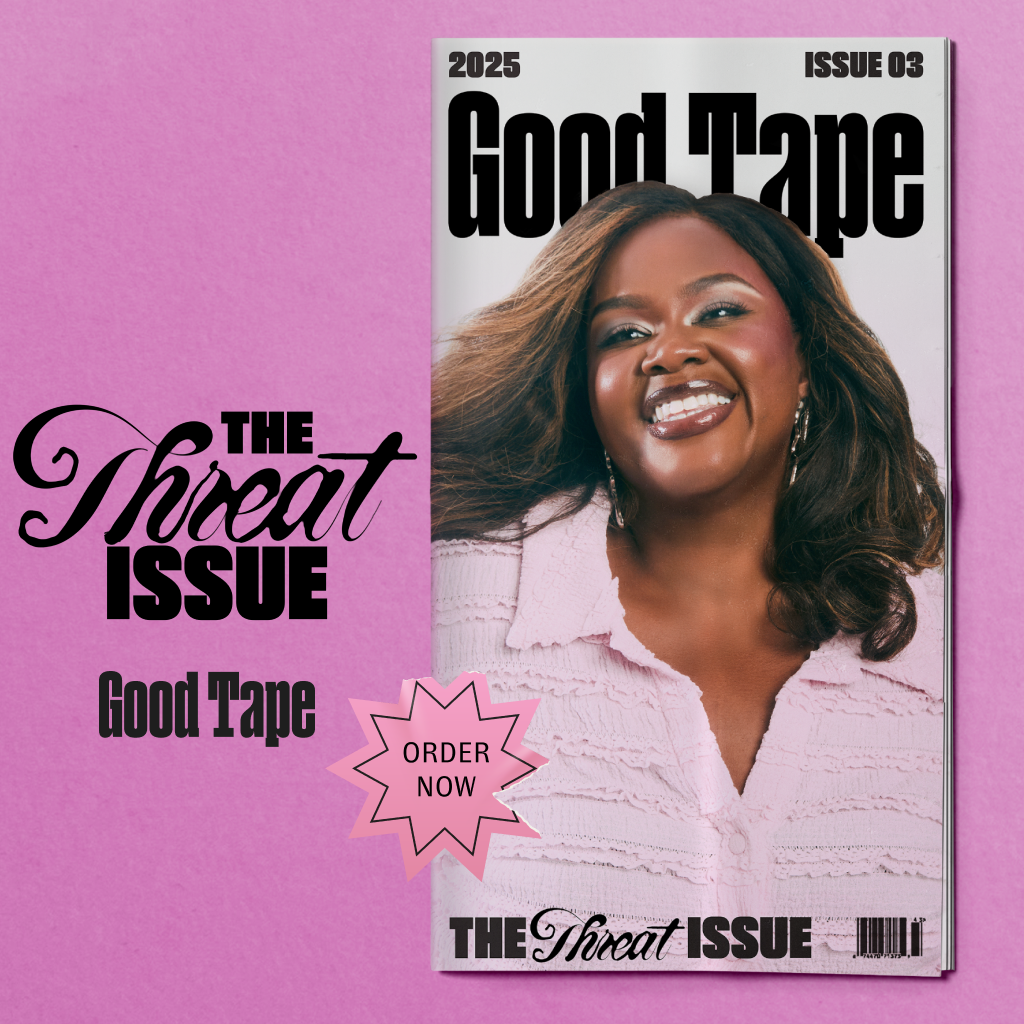
In other news, this week’s digital drop from Good Tape’s “The Threat Issue” features freelance writer and audio producer Alexandra Jhamb Burns on how podcasters are standing their ground against viral disinformation and fighting for a shared reality.
Read to the end for our ICYMI roundup featuring a CBC pitch call, a layoffs lament, and a brief nod to Bad Bunny.
‘Every Story is a Technology Story’
Thomas Germain sets the stage for his new BBC show “The Interface,” cohosted by Karen Hao and Nicky Woolf.
Interview by: Katie Clark Gray
This interview has been edited for length and clarity.
Welcome, Thomas. Tell us about “The Interface.”
Thomas Germain: There’s a really strong argument to be made that every single story, every single part of your life, is a technology story. But as consumers, as people cruising around the internet just living our lives, we only see what comes out of the pipes, right? We see “the interface,” where companies are letting us interact with them. And what we’re trying to do on this show is reach behind the curtain and go in-depth about what’s really happening, how it affects you, and why it matters in your day-to-day life.
Our goal is to be a guide for the average person. Maybe even people who hate technology and are tired of hearing about it. We are here to tell you what really matters, and give you the tools and the information you need to live as an informed member of society who wants to understand how the world works, and what it’s going to mean as things are changing so rapidly in this future being built by these giant tech corporations.
Will you have guests? What can you share about the setup?
Right now, the plan is no guests, no jargon. It’s a roundtable discussion. Every week, the three of us are going to bring a different story, something we’ve been reporting on for years or something that just [recently] caught our attention that we’ve gotten obsessed with. Each person brings a story, tells you “here’s the big picture stuff,” and then we break down and discuss all the different interesting questions. Sometimes we get into fights, and we argue. A really light and funny tone is what we’re going for — like you’re meeting up with three friends at a bar who all work on this one thing, and you’re listening to them. We’re presenting this in a way I think is really easily digestible.
Can you share a glimpse of any specific stories you have coming up?
For example, TikTok just got sold to a consortium of American companies, many of which have direct ties to the Trump administration. And this weird political business regulatory issue has now come down to something that affects what information you’ll have access to. What videos will and won’t be promoted; how the TikTok algorithm works; these are open questions. A lot of people are really worried about censorship. Are we going to be able to express ourselves on this platform that has become, like, the black hole at the center of the internet that all digital culture revolves around?
We’re going to be talking about things like how dating apps manipulate their users, and how the conflicting goals between dating app companies’ desire to find you a date and desire to make you a paying customer factor into your romantic life. And how, in a real way, these giant corporations have algorithms that determine who you are and aren’t allowed to meet.
Then we’ll go into smaller or more personal things. There was a great article recently in The Cut about ‘friction-maxxing,’ which is a term I really like — the idea that technology is making our lives too smooth and too easy, and we’re losing touch with the outside world and our humanity. So we’re exploring how it affects your mental health and your day-to-day, and what you can do to take back control.
So it’s a nice mix: news, personal, current events, investigations, how stuff works, how it matters to you, covering the whole gamut.
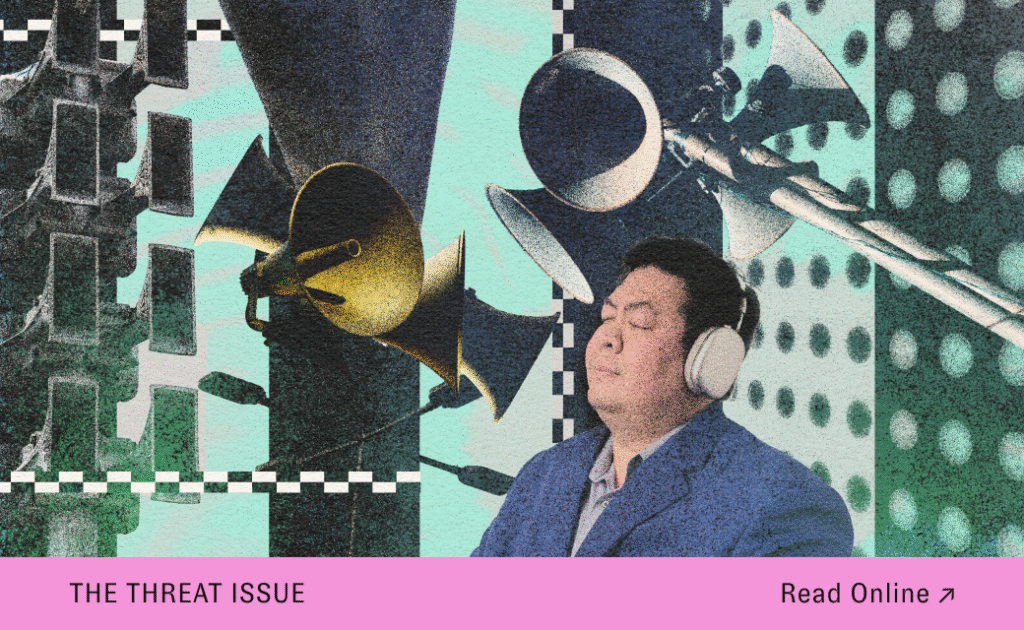
Sifting Through Slop
In the age of viral disinformation, these podcasters are searching for shared reality.
Words by: Alexandra Jhamb Burns
Podcasting has a long reputation as an inherently altruistic art form. With its direct lineage to public radio and the goodwill that stems from its DIY ethos, it’s been easy to hold podcasting in high esteem as a bastion of community building. But as the medium has continued to grow, most recently via the proliferation of video clips, it has become increasingly clear that podcasts — especially the many successful conservative-leaning ones — can also sow division. Many podcasters, however, continue to actively sort through the mass of slop, jargon, niche online communities, and subreddits to, if not bring unity, at least get to the bottom of things.
We spoke to three such podcasters — Garrott Graham (“Search Engine”), Zach Stafford (“Vibe Check”), and Grant Irving (“Panic World”) — about standing their ground during these divisive times, in which “news isn’t doing the job,” as Stafford said, adding, “it’s not enough, so people need a place to talk about it.”
ON THEIR OWN MEDIA CONSUMPTION:
Graham: I start my day with “Up First” or “The Daily” if the titles catch my eye. Occasionally, someone will recommend a newsletter to me that sticks (Read Max, Deez Links, Feed Me, Garbage Day). I’ve really been enjoying the Financial Times recently, but I’ll regularly scan the New York Times, Wall Street Journal, and Semafor.
Stafford: I listen to NPR shows. I listen to Crooked [Media] shows. One of the places I check every morning is Facebook, because I grew up in Tennessee, and I like to see what the more conservative people in my life are posting and thinking and how they’re getting information. And then I do my own fact-checking.
Irving: I used to be a narrative series producer, which made listening to narrative series really hard, because it just reminded me too much of work. Now I get a lot more of my news than I used to from newsletters and websites. Hell Gate, I really love. It’s nice to get a local news perspective. Then I read the guests-of-our-show’s newsletters.
ICYMI
Some other stories that have our attention, brought to you by Good Tape’s “Off The Record” — an event series creating real-time dialogues between podcast executives, creatives, and brands on hyper-relevant topics to evolve the medium.
- • CBC Podcasts is accepting pitches for multiple properties, including “Uncover,” “Split Screen,” and “The Con.” Visit cbc.ca/pitch for more info, then submit via this Google Form. The call for pitches closes at 11:59 pm ET on Wednesday, April 1, 2026.
- • Devastating layoffs continue across the Bezos-verse. The Washington Post laid off 30% of its staff last week, following a brutal round of layoffs at parent company Amazon (16,000 jobs). Our hearts are with the affected journalists and staffers.
- • Bad Bunny’s half-time show resulted in some post-Super Bowl discourse worth diving into. The history lesson, the Ricky Martin cameo, that couple who got real-life married during the performance, and, in the words of essayist Soraya McDonald, “Benito is a threat because he makes art so alluring and enjoyable you want to understand everything about it, and then you end up learning about sugar and slavery and colonialism and the Taínos and Hawaii and then you probably have some thoughts of your own, and that’s why art is powerful and dangerous[.]”
- • Next week, we’re going to be whipping up some preview coverage ahead of On Air Fest 2026. Stay tuned.

Good Tape is proudly independent yet deeply rooted in community. If you value our work exploring the ideas, people, and forces shaping podcasting, share this newsletter with a friend. Or, better yet, become a subscriber. Your support helps sustain our commitment to elevating cultural and critical coverage of the podcast industry.
Katie Clark Gray is a Webby award-winning podcast producer, Pew Fellow, and partner at Uncompromised Creative. Past credits include: writer/producer, “The Best Idea Yet” (Wondery); senior producer, “Masters of Scale” (WaitWhat); writer/performer, “Fathom.” More at Uncomp.ninja.