Katie Clark Gray is a Webby award-winning podcast producer, Pew Fellow, and partner at Uncompromised Creative. Currently she writes for Audible Originals’ “Scamfluencers” and “Business Wars.” Past credits include: “The Best Idea Yet,” “Masters of Scale,” “Spark & Fire,” “Meditative Story,” and feature film “The Paper Store.”
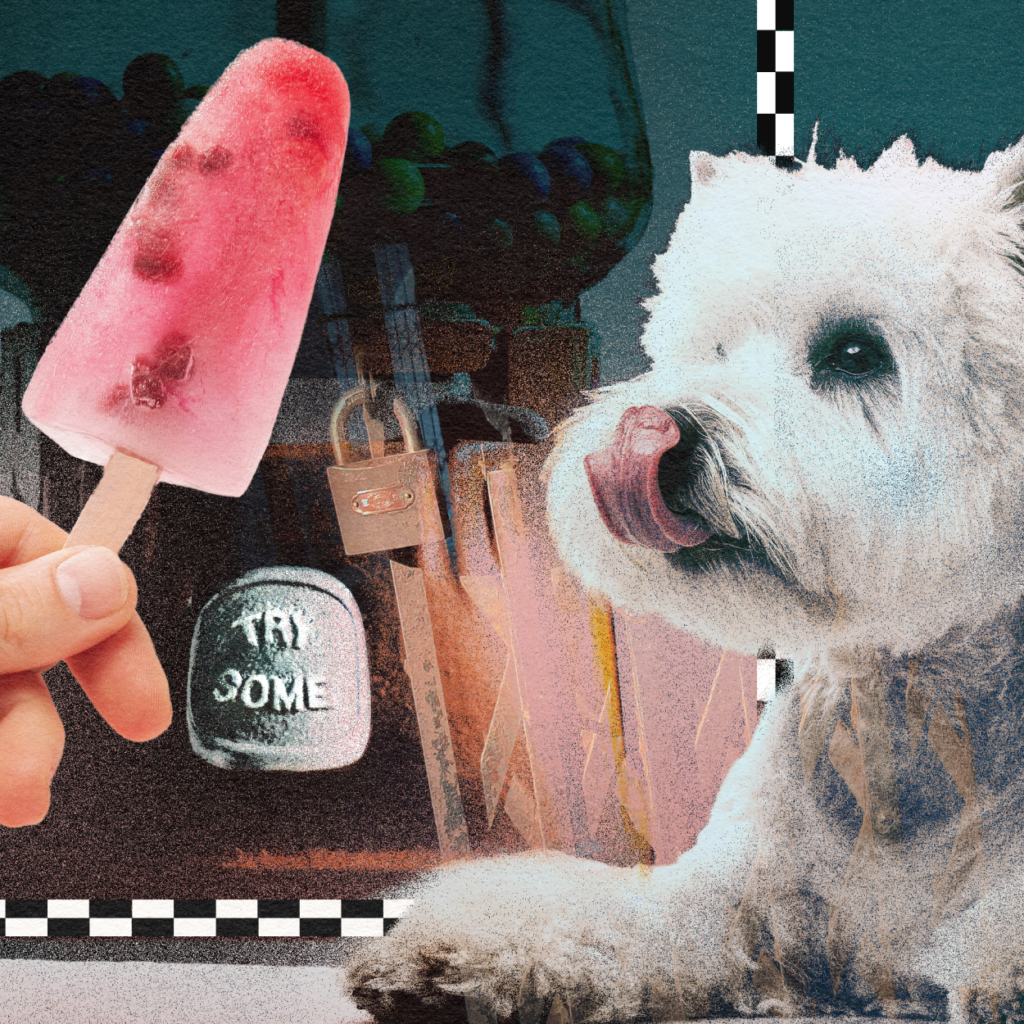
The First Taste Is Free
The stinger tells the story: four glockenspiel chimes that signal the end of the free bonus teaser.
Devoted listeners of “If Books Could Kill” recognize these chimes as a signal that, alas, the paywalled content preview is over. (The previews themselves are often an hour long, but that’s not the point here.) If you find yourself running into the chimes regularly, it’s probably time to admit you’re a superfan. So you pay the $4+ a month and become a paid subscriber. This is the system working as designed.
It’s been five years since Apple Podcasts rolled out its premium subscription feature, and a whopping 13 years since the launch of Patreon, which, all hype aside, has legitimately transformed the earning models for digital content creators, podcasters included.
Back in April, in fact, Patreon dropped a bit of a bombshell. According to internal figures, podcasters earned $629 million on the platform in 2025 (up 33% year over year and continuing to grow), making podcasts the largest content category by revenue on Patreon.
This is unquestionably good news for podcasters struggling with declining ad revenue and CPMs, market oversaturation, and platforms that treat beloved shows like expendable widgets. On balance, it’s good for audience members too. If you love a show and want to express your support, there’s an immediate, direct way to do that for a relative pittance per month.
But as the Substackification of print media has taught us, there are not infinite subscribers. Even the most doggedly principled “I-support-artists” media consumers have a breaking point. And putting too much content behind a paywall can give a show an unpleasant ‘freemium’ feel.
Will Weldon, creator and host of the podcast “I Hate Bill Maher,” shared how he navigates this. “I cover the current season of ‘Real Time with Bill Maher’ on my podcast,” he said. “I cover all of the extra stuff from Bill Maher’s career on Patreon.” The extra stuff includes, for example, Maher’s three appearances on “The Joe Rogan Experience,” as well as Maher’s own horrible podcast, “Club Random.”
Reserving the more niche Maher lore for paying subscribers seems to be paying off so far. “I think the stuff people like the best is the stuff I find where Bill Maher is at his absolute worst,” he said. “Like, the [subscriber] Discord gets fired up talking about a clip of Bill Maher describing the 13-year-old members of a Neo-Nazi pop duo as ‘kind of hot[.]’” But Weldon acknowledged that he’s likely leaving money on the table by not paywalling more main feed episodes.
“I probably would make more money if I used the Patreon to cover every other episode [of ‘Real Time’], but that would feel kind of shitty at this point.”
For creators, avoiding that kind of shitty feeling essentially means running two shows simultaneously: a consistent, high-quality main feed and a robust slate of premium content. This is a lot of work — and, perhaps, why some shows like “The Cutting Room Floor” and “Girls on Porn” are abandoning the RSS entirely and putting everything under a single paywalled Patreon. On the other hand, one might argue that it’s hard enough to build an audience even when they don’t have to pay.
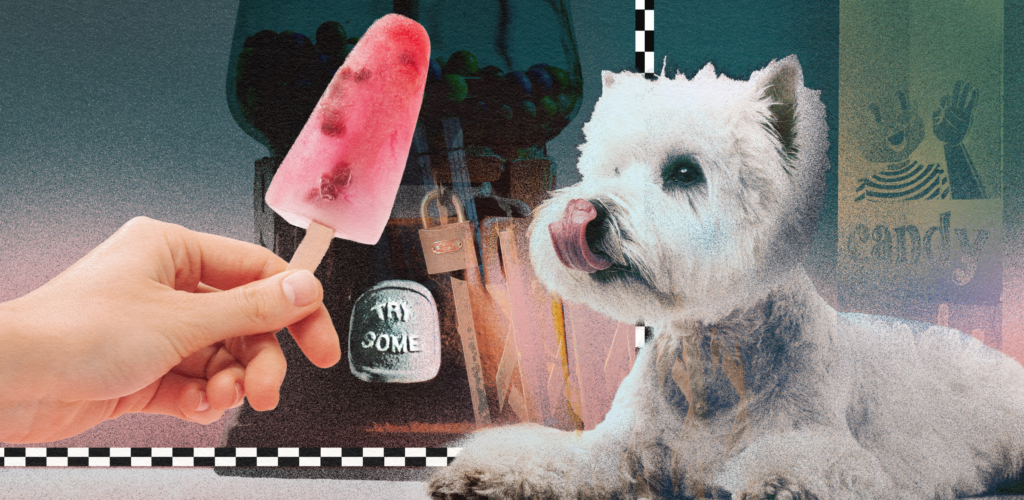
Looking ahead, we might be trending toward more and more paywalled content. But as every gelato vendor, bakery owner, and Costco floor manager knows, people still love a free sample.

Too Big to Fail
The biggest podcaster in America constantly contradicts himself. Will it ever cost him his audience?
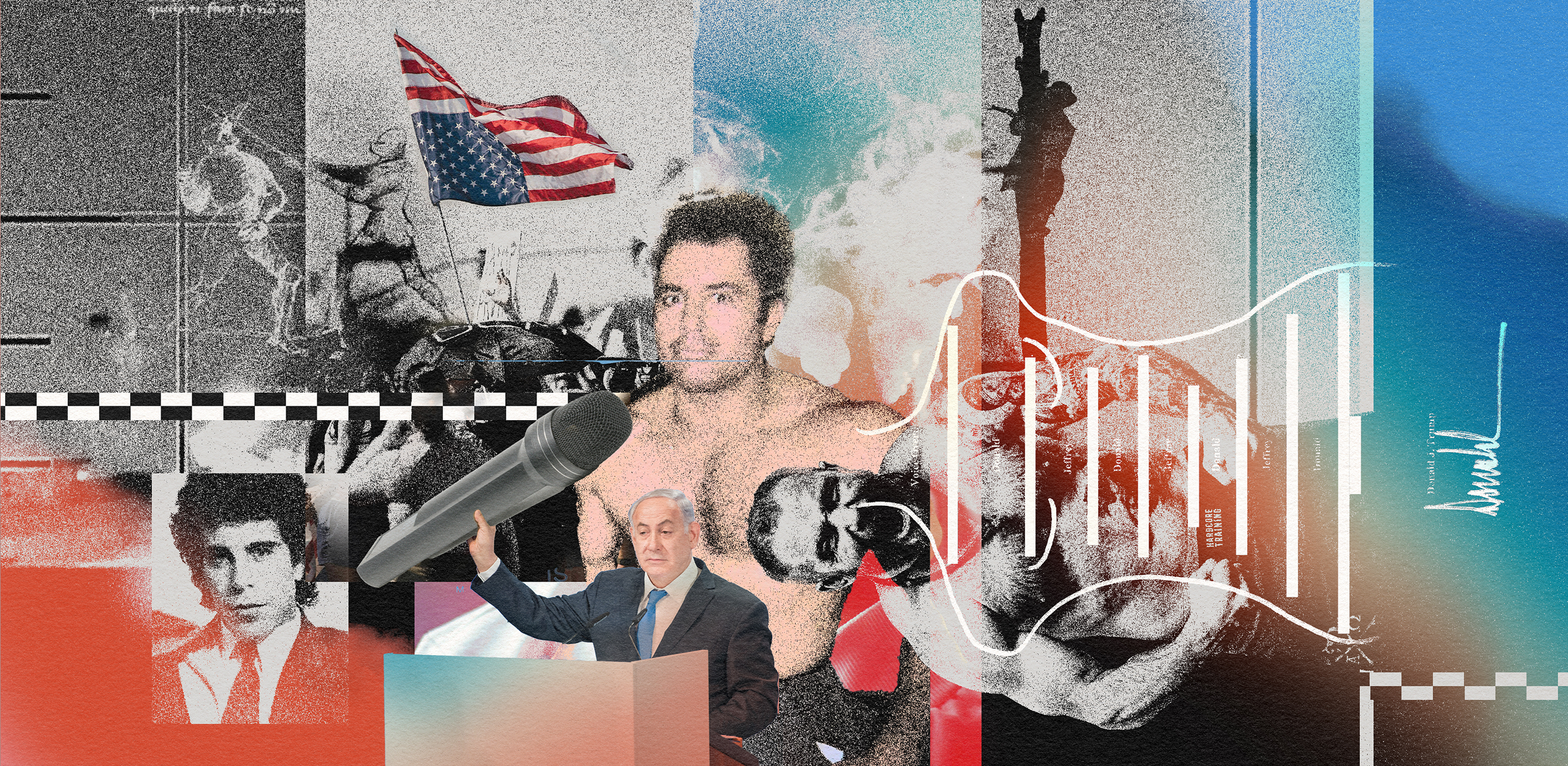
Words by Opheli Garcia Lawler
Art by Sami Wittwer
What if, no matter what you said, you benefited from unconditional loyalty? Your worldview could be inconsistent and hypocritical. Your choice of words could be flippant, even cruel, and people would still clamor for your insights on everything from domestic life to national politics.
This is the reality for podcasters in the much-discussed manosphere. With the support of millions of subscribers and listeners, the most popular of the bunch — Joe Rogan, Andrew Schulz, and Theo Von — have avoided any sense of public responsibility. Each time they sat down to spout toxicity, but especially when they sat down to shoot the shit with Donald Trump during the 2024 election campaign, audiences rewarded them with their attention.
On YouTube, Von’s August 2024 interview with Trump has been viewed 17.4 million times, while Schulz’s October 9, 2024, interview with Trump has been viewed 9.7 million times. Both interviews were ringing endorsements of the problematic presidential candidate, but since then, the hosts have distanced themselves from the president. Von even went as far as to publicly demand that the Department of Homeland Security cease using a clip of his voice in a video mocking the deportation of undocumented immigrants.
Then there’s Rogan. His podcast, “The Joe Rogan Experience,” was the most-listened-to podcast in the U.S. for the first quarter of 2026 — as well as for the years 2025, 2024, 2023, 2022, 2021, 2020, and 2019. As fast as podcasting audiences have grown (since 2020, the number of Americans who have listened to a podcast rose from 55 million to 80 million), Rogan’s audience is growing faster.

Some other stories that have our attention, brought to you by Good Tape’s “Off The Record” — an event series creating real-time dialogues between podcast executives, creatives, and brands on hyper-relevant topics to evolve the medium.
- • The Podcast Show 2026 is currently in full swing in London. Are you there? Bring us back the hot gossip: info@goodtape.com. Better yet, DM us on Instagram — anonymous tips OK.
- • If you want to catch all 12 finalist works for AudioFlux’s Circuit 07: Trash or Treasure, you can do so now at XMTR.fm. As for the commissioned projects, you can catch them at Tribeca 2026 on June 14. Tickets here.
- • The National Geographic Society is taking proposals for its Illuminating Climate Solutions program. They’re seeking storytellers across media to submit projects “that will inspire business leaders and policymakers to take action toward a better world.” The deadline is Monday, May 25, 2026 at 11:59 pm ET; applicants may request up to $100,000.
- • Submitting to the Signal Awards? You have just over a month to get ’er done. Final entry deadline is Friday, June 26, 2026. Meanwhile, you can prepare by reading our piece with Signals’ general manager, Jemma Rose Brown.
- • Today in schadenfreude: It looks like the newly conservative WaPo opinion desk, created to please “defend the free markets” Jeff Bezos, has a cool new media property that everyone is dunking on. Lol.

Good Tape is proudly independent yet deeply rooted in community. If you value our work exploring the ideas, people, and forces shaping podcasting, share this newsletter with a friend. Or, better yet, become a subscriber. Your support helps sustain our commitment to elevating cultural and critical coverage of the podcast industry.
Katie Clark Gray is a Webby award-winning podcast producer, Pew Fellow, and partner at Uncompromised Creative. Currently she writes for Audible Originals’ “Scamfluencers” and “Business Wars.” Past credits include: “The Best Idea Yet,” “Masters of Scale,” “Spark & Fire,” “Meditative Story,” and feature film “The Paper Store.”