
Katie Clark Gray is a Webby award-winning podcast producer, Pew Fellow, and partner at Uncompromised Creative. Past credits include: writer/producer, “The Best Idea Yet” (Wondery); senior producer, “Masters of Scale” (WaitWhat); writer/performer, “Fathom.” More at Uncomp.ninja.
Apple Wants a Bite
Happy Wednesday! Lots to get to, so let’s keep it breezy.
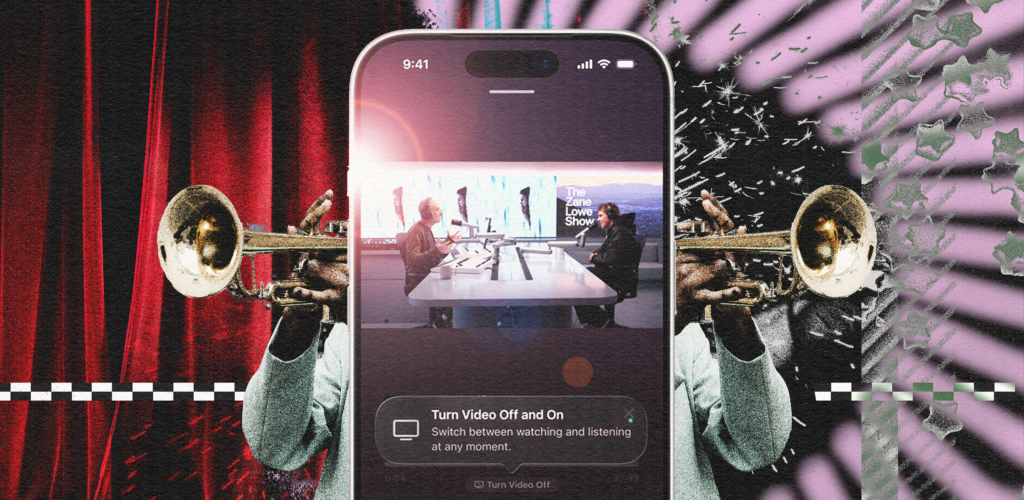
On Monday, Feb. 16, Apple Podcasts announced its plan to overhaul the video podcast experience in the next version of iOS. The takes have been flying ever since, ranging from “What took them so long?!” to “This is the end of audio 😭” to “Too little, too late, Apple’s over.”
The discourse roughly breaks down into two categories: what matters to podcasters, and what matters to listeners — sorry, viewers. For this latter group, the changes appear to be straightforward improvements. Enabling HTTP Live Streaming (HLS), a technology Apple developed but is only now deploying for podcasts, should vastly improve the streaming quality of video pods. And putting the video and audio feeds on the same RSS will make it significantly easier to toggle between listener and viewer modes.
From the creator’s perspective, that single-RSS feed feature has significant implications beyond convenience. Allowing the video feed to remain with the hosting service enables dynamic video ad insertion, thereby increasing creator control over monetization. This is a huge change, and gives Apple a big advantage over Spotify and YouTube on the creator revenue front. Though, as we noted last September, YouTube has promised that dynamic ads are coming soon.
But this single-RSS feed feature will only work with a handful of hosting platforms and ad networks: Acast, ART19, Triton Omny Studio, and SiriusXM’s suite of providers, which includes Simplecast and AdsWizz. Apple has alluded to the possibility of partnering with others in the future. In the meantime, sorry, Transistor and Captivate users, you’ll have to wait.
Another factor that will surely cause ripples: Apple’s ability to verify impressions on those dynamic ads. As Nathan Gathright, founder of Pod.link, said, “Since Apple controls the client, they can measure real listens, not just server-side downloads. I expect publishers will be happy to charge their advertisers a premium for Apple-verified listens. Once advertisers can buy verified impressions, why would they pay comparable rates for unverified downloads elsewhere? Feels like the early banner ad days when the shift from raw hits to viewability standards crushed publishers who couldn’t prove real engagement. This could massively devalue unverified podcast impressions across the board.”
What do you think about all this? Write to us at info@goodtape.com or better yet, find one of us at On Air Fest. On the record or off, we love unfiltered thoughts.
Speaking of On Air: If you missed last week’s festival preview, read it here:
The Light Box Is On
On Air Fest 2026 heats up Brooklyn Feb. 23-26.
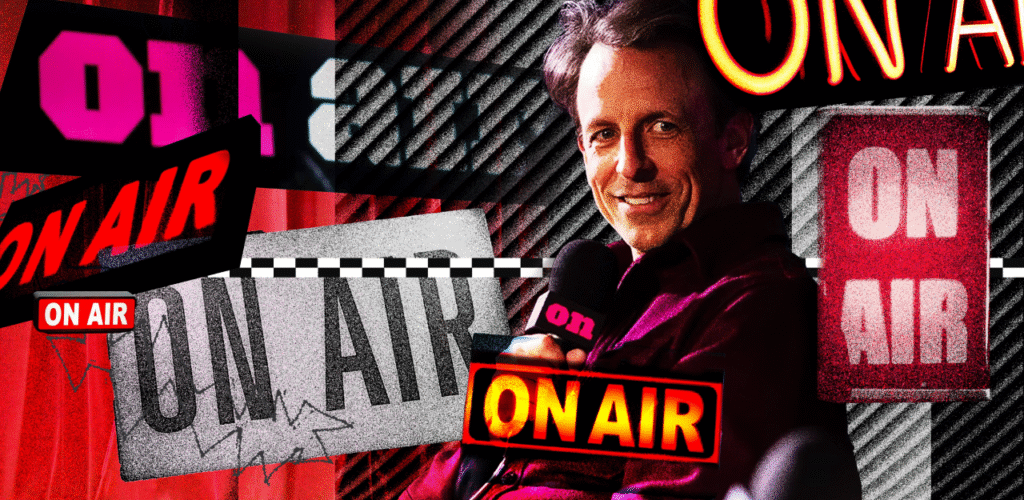
The festival seems to be coping admirably with the snow piled up in Brooklyn during a once-in-a-decade blizzard. Presuming no one has been bumped from the schedule for inclement weather, we’re especially looking forward to the “Mess” live taping on Thursday and “Bombing with Eric Andre” tonight. We’re also excited for the more intimate panels focused on craft, like “Experiments in the Art of Video Podcasting” with Chenjerai Kumanyika (“Unruly Subjects”), producer Andrew Callaway, and the artist and writer Molly Crabapple. Or the always beloved Audio Flux team’s “Deep Listening” session, in which they will announce the creative partner, theme, and prompts for the upcoming Circuit 07.
Thoughts on yesterday’s Business Summit and livestreamed Ambie Awards are forthcoming. But in the meantime, congratulations to all the winners, including Podcast of the Year “Wisecrack.”
A Century-Long Conversation
Recognizing podcasting’s roots in traditional radio.
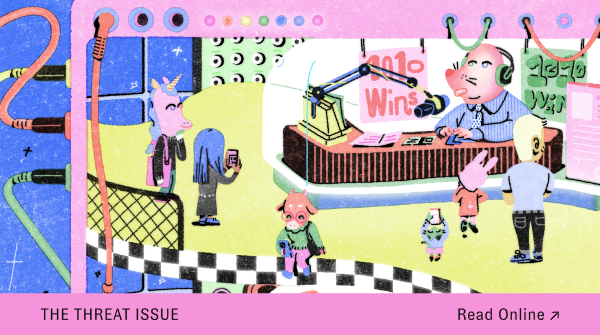
Words by Anna Van Dine
Art by Vyolet Jin
When Julia Barton was the executive editor at Pushkin Industries, she frequently found herself explaining podcasting best practices to audio newcomers. While the authors and academics she was editing were skilled at what they did on the page, she had to teach them a lot about how to translate their work for the ear. She drew upon what she had learned from her own editors as a reporter and producer, but there was always a nagging feeling. She could never quite pin down how she knew what she knew.
“I felt that lack of depth because I was drawing on my own experience,” Barton said. “And this sort of folk wisdom that would come from my own editors, and that’s all great, but I was like, no, there must be more to this.”
There is. Podcasting has its roots in radio, which began over a century ago. The history of broadcasting informs the way we write, edit, and structure stories and series. It has shaped the instincts that guide our choices about tape, sound design, and tone. But the medium’s past is rarely acknowledged, appreciated, or interrogated by those of us working with it in the present. We would do better work if we remembered that we aren’t in a vacuum; we are part of a conversation that spans more than 100 years.
Barton’s growing desire to understand her own field led her to a Nieman Fellowship at Harvard University, where she dove deep into broadcasting history. She’s been sharing what she learned through a weekly newsletter called Continuous Wave. She also wrote a series of articles for Transom called “Audio Ancestors,” where she profiled the radio pioneers who created the interview show and the audio documentary — formats that form the basis of today’s podcasts.
Some other stories that have our attention, brought to you by Good Tape’s “Off The Record” — an event series creating real-time dialogues between podcast executives, creatives, and brands on hyper-relevant topics to evolve the medium.
- • In LA? Come to our Park Hang, in partnership with the Resonate Podcast Festival. Kick back in Elysian Park with Resonate director Chioke I’anson and Good Tape publisher Dane Cardiel, then join us for casual drinks at Evangeline Swamp Room. 12-3 p.m., Sunday, March 1.
- • In NYC? Fresh from her appearance at On Air and her two Ambie wins for Best Indie Podcast and Best History Podcast, the great Nichole Hill is giving a master class in audio journalism at the CUNY J-School. 6:30-7:30 p.m., Monday, March 9.
- • AIR (The Association for Independents in Radio) is seeking input on NPR rate guides and labor equity practices. If you’re a current or former contributor to NPR national shows or member stations, they’d love to hear your thoughts on rates, access, and equity. All personal information will be kept confidential. Submit insights here.
- • Pushkin Industries recently announced the addition of Amy Westervelt’s “Drilled” to its network, the latest prestige acquisition in a mini-run that also includes “Fiasco” and “Heavyweight.” As Good Tape contributor Jordan Gass-Pooré previously noted, climate podcasts have struggled for funding and institutional support. This reads to us like good news.
- • OK, one more NYC thing (sorry, more geographic balance forthcoming!): There are only a few days left to catch “Hate Radio” at St. Ann’s Warehouse in DUMBO. This is a difficult but highly rewarding piece of theater: a performance in French and Kinyarwanda about the propaganda radio station that fueled the 1994 Rwandan genocide. Given our current moment, the action is as unsettling as you may imagine, watching radio personalities weave together American rock music, cheerful banter, trills of “Courrrrrage!”, and vile incitements to violence against one’s friends and neighbors. It’s impossible not to think of Alex Jones, Steve Bannon, Nick Fuentes, or any of the unsavory Pied Pipers using microphones to spew hate and racial division in between host-read supplement ads. Not fun per se, but extremely worth your time. Showing through Friday, Feb. 28.

Good Tape is proudly independent yet deeply rooted in community. If you value our work exploring the ideas, people, and forces shaping podcasting, share this newsletter with a friend. Or, better yet, become a subscriber. Your support helps sustain our commitment to elevating cultural and critical coverage of the podcast industry.
Katie Clark Gray is a Webby award-winning podcast producer, Pew Fellow, and partner at Uncompromised Creative. Past credits include: writer/producer, “The Best Idea Yet” (Wondery); senior producer, “Masters of Scale” (WaitWhat); writer/performer, “Fathom.” More at Uncomp.ninja.